If you've ever felt calm, capable and completely yourself for two weeks of the month — then anxious, irritable, tearful or strangely "off" for the other two — you're not imagining it, and you're certainly not broken. You're experiencing the luteal phase.
The luteal phase is the second half of your menstrual cycle: roughly the two weeks between ovulation and the first day of your period. For many women it's when everything quietly shifts — mood, energy, patience, sleep. Understanding it is the first step to stopping the monthly cycle of self-blame.
The four phases of your cycle, briefly
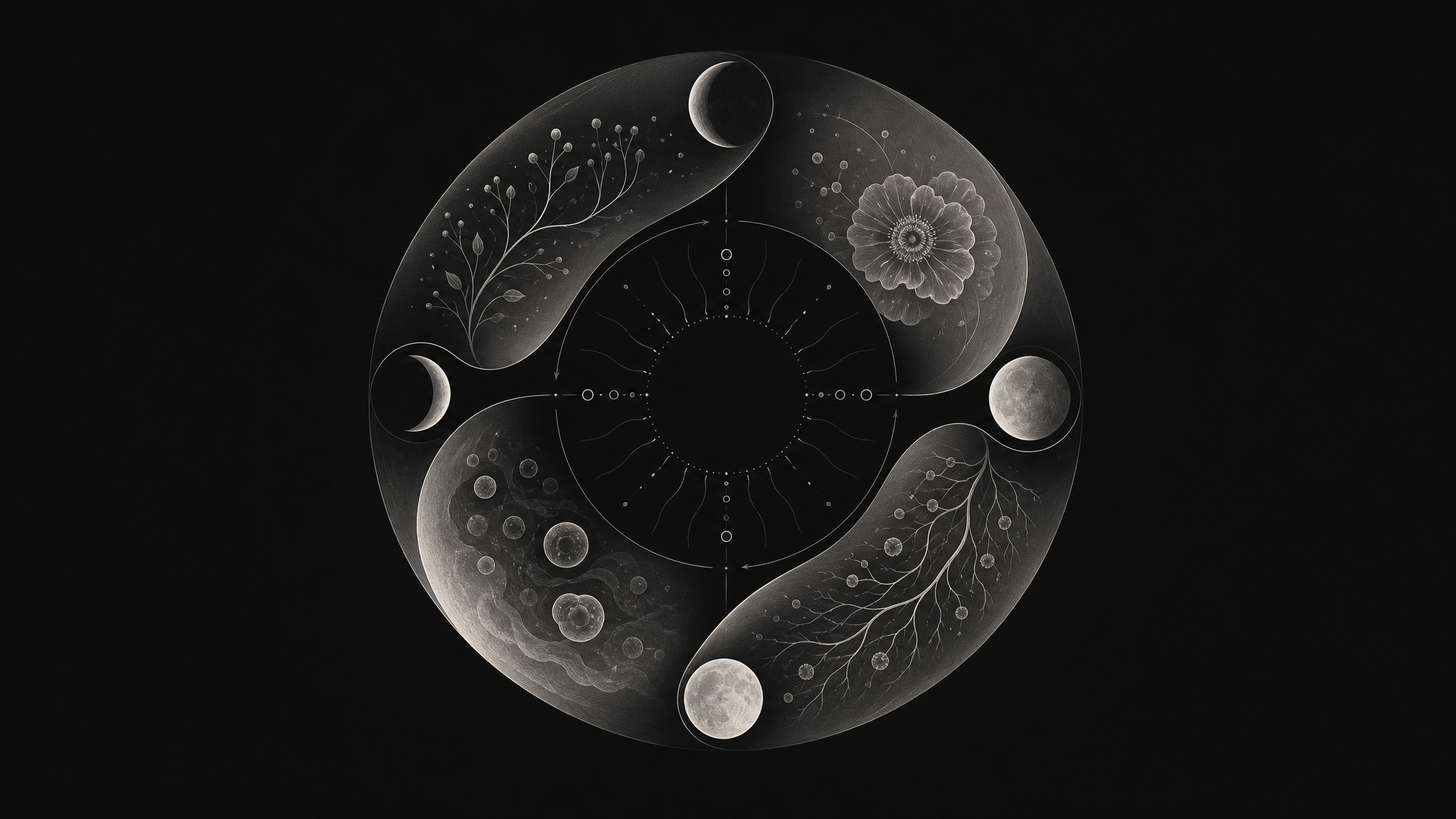
Your menstrual cycle has four phases: menstrual (your period), follicular (the days after, when energy climbs), ovulation (mid-cycle, the hormonal peak), and the luteal phase (the run-up to your next period). Each is driven by a different hormonal pattern — which is exactly why you don't feel the same all month.
What actually happens in the luteal phase
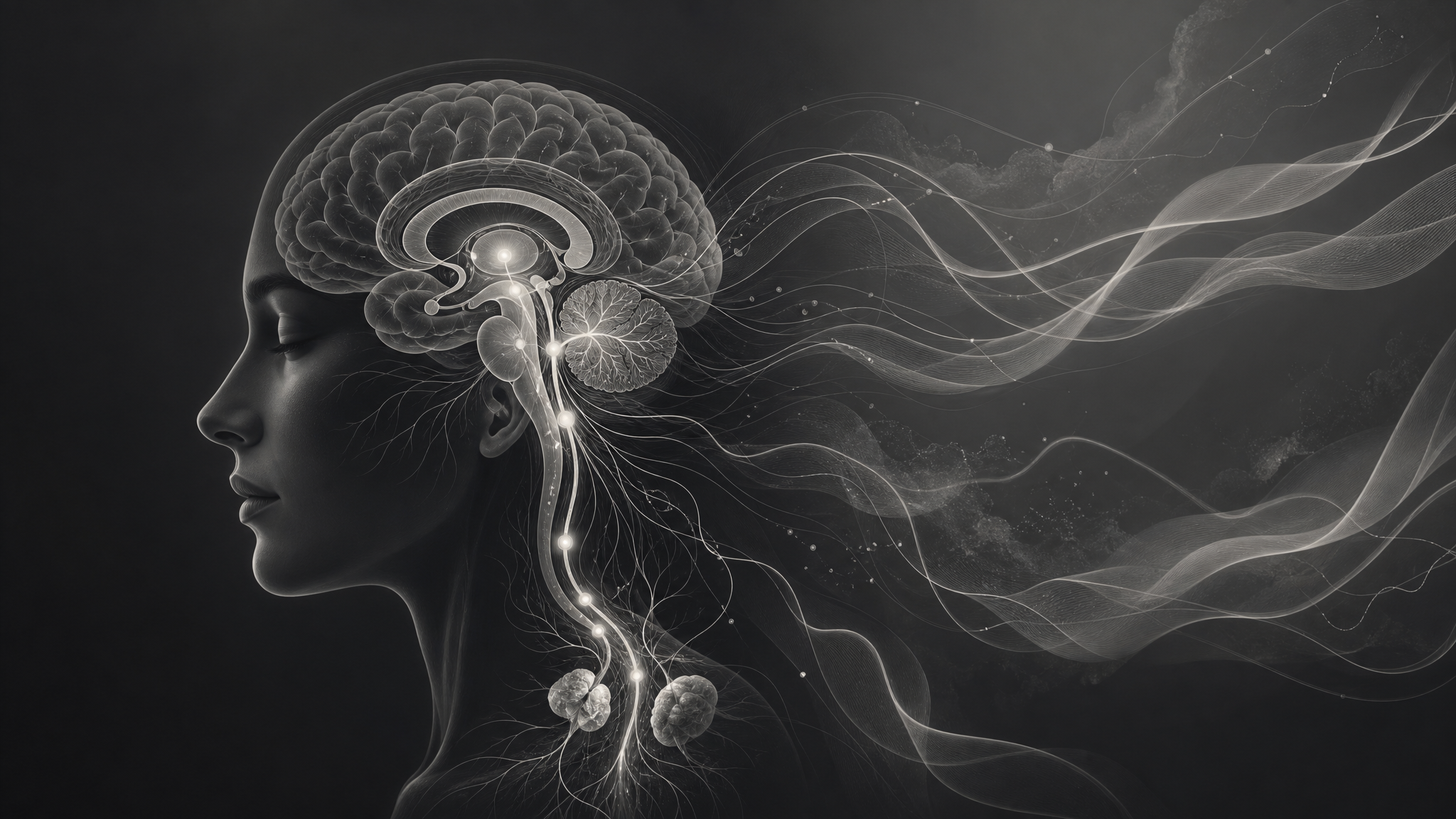
After ovulation, your body's progesterone rises and then — if there's no pregnancy — falls sharply in the days before your period. Oestrogen dips too. This hormonal withdrawal is not a minor background event: progesterone influences GABA, the brain's calming neurotransmitter. As it drops, that natural "brake" on your nervous system weakens.
The result is a body that is more reactive, more sensitive to stress, and quicker to tip into a fight-or-flight state. That's why a small annoyance on Day 8 can feel like a catastrophe on Day 24.
The symptoms that catch women off guard
Most people expect the physical signs — bloating, cramps, sore breasts, fatigue. Fewer are told about the neurological and emotional ones:
- Anxiety or a sense of dread with no obvious cause
- Irritability or "Day 21 rage"
- Tearfulness and emotional sensitivity
- Brain fog and difficulty concentrating
- Trouble sleeping
- Feeling overwhelmed by things you'd normally handle easily
These aren't character flaws. They're the predictable downstream effects of a nervous system responding to hormonal withdrawal.
Not sure how your luteal phase shows up for you? Take the free 2-minute Surge Type Quiz and discover your personal pattern — plus the tools that match it.
Take the QuizWhy "just relax" doesn't work
Because the issue isn't in your mind — it's in your physiology. You can't think your way out of a dysregulated nervous system, which is why willpower and positive thinking so often fail in the luteal phase. What does help is somatic regulation: body-based techniques that signal safety to your nervous system directly.
You're not difficult. You're cyclical.
The single most freeing realisation is this: your luteal phase is not a personality flaw. It's a phase. It's biology. And once you can name it, you can work with it instead of being blindsided by it every month.
Discover your Surge Type in 2 minutes — and get the personalised tools that match your luteal pattern.
Take the 2-Minute Quiz